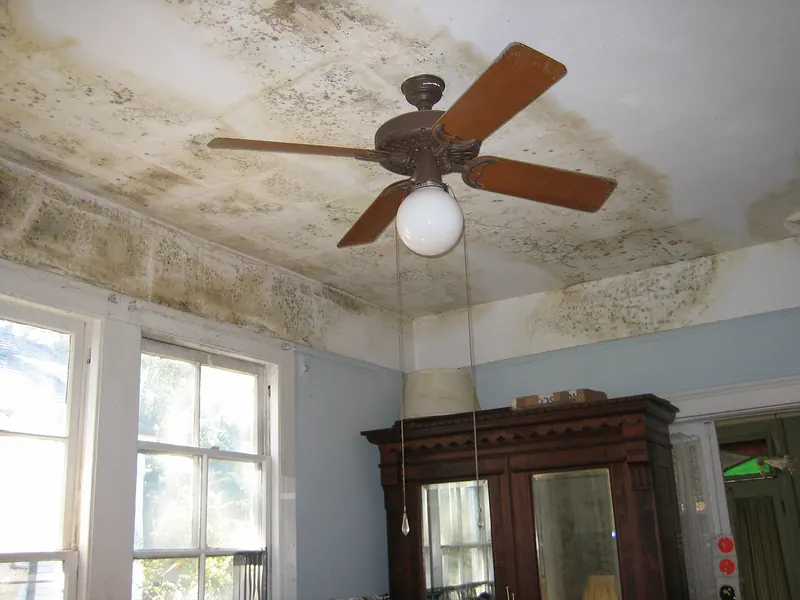
Mold After a Roof Leak
Mold after a roof leak is cleaned from the ceiling, attic and walls the leak reached, once the leak source is found.
See mold after a roof leakGet a clear plan for attic mold in Altadena. The scope should cover containment, cleaning, drying and moisture correction.
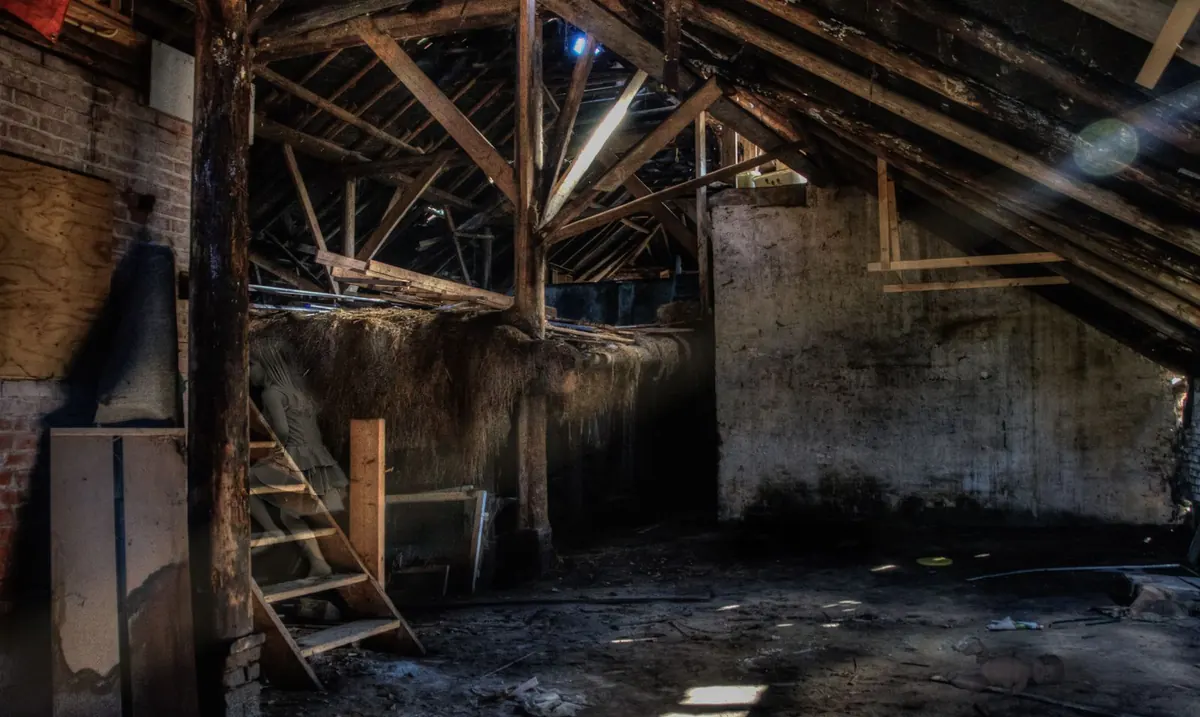
Removing damaged materials, cleaning attic wood, controlling dampness and containing the space make up attic mold remediation.
An attic scope may include insulation as well as rafters and sheathing. It should identify whether moisture comes from a leak, condensation, ceiling air gaps, faulty soffit or ridge ventilation, or bathroom exhaust routed indoors.
Before work starts, the written scope should set the containment and removal limits and explain drying, repairs and replacement. Correcting moisture is necessary because cleanup alone lets growth return.

The plan should name materials and cover cleaning, drying and hidden-damage procedures.
Ask how moisture is found and fixed before materials are replaced.
Look for an explanation of bagging, containment and negative air pressure in the plan.
Use an independent assessor if the plan includes formal clearance or verification.
Experienced assistance is appropriate when access is hard, insulation is involved or growth is extensive. Typical situations include:
CDC guidance says color does not show risk. Let area, moisture and materials determine your decisions.
Roof damage can wet wood sheathing and rafters. Make leak repair part of the plan.
Indoor exhaust introduces moisture. Route it outdoors and assess nearby insulation.
Roof decking can collect condensation from indoor air. Check uneven insulation and air leaks along with attic ventilation.
Start by limiting water, avoiding disturbance of materials and setting up an assessment.
Call (844) 352-3560The attic mold removal range from Fixr spans $1,500 to $9,000 in total. This Old House puts the range at $1,000 to $4,000. Its cost data is credited to Angi. For a typical residential attic project, PushLeads lists $1,800 to $8,000 and cites Angi and BUK Restoration. Do not treat these ranges as a quote.
Published national cost guides are the source of these ranges, rather than an inspection of your property. Your property price is set after an on-site assessment and should be explained before work starts.
Ask about cost: (844) 352-3560The policy and moisture source determine coverage. Policies may treat sudden water entry differently from condensation and long-term leaks.
Find out whether coverage includes the cause, whether there is a mold sublimit and which records you need before removal.
Coverage may turn on why the roof leaked and how long it continued. Record the cause.
California's Toxic Mold Protection Act includes a landlord written-disclosure section (Health and Safety Code 26147). By its own wording it applies only after the state adopts mold exposure standards, and the state health department has said it could not set them. Retain repair records, the scope and independent post-remediation verification.
Under California's housing law, visible mold found by a health officer or code enforcement officer can make a rental substandard. Renters can contact their local health or code enforcement department to ask for an inspection. Keep dated photos and messages about stains, leaks and repair access.
Moisture is mapped first, followed by cleanup, removal and drying. A final check completes the work sequence.
Inspect the vents, decking, rafters and insulation. Hidden moisture can be found with a moisture meter.
Poly sheeting isolates the hatch. Negative air pressure helps stop dust from reaching living areas.
Use a HEPA air scrubber as an air filtration device when disturbing materials.
Bag any wet porous materials. Insulation outside the work area can remain if it is dry and unaffected.
Sound wood and non-porous surfaces are physically cleaned. HEPA vacuum work or soda blasting may suit the material.
Drying continues while leaks, air gaps, exhaust routing and ventilation are corrected. Moisture readings indicate drying progress.
Final cleaning removes dust. Use an independent assessor to judge the work when clearance testing has value.

Call any hour. An attic mold removal specialist takes your call, discusses what you see and outlines what comes next.
Attic work carries safety concerns from limited access, uncovered joists and loose insulation, with dust able to spread into rooms below.
Wet decking or insulation may be close to wood that looks dry. Use moisture readings to direct drying and inspection.
Use negative air pressure with a containment barrier. Add a HEPA air scrubber to help stop particles from entering living areas.
Using protective equipment is harder around joists, nails and heat. Experienced help is needed for contaminated water.
Can you clean it yourself? According to EPA guidance, homeowners can often clean an area under about 10 square feet. Start by fixing water. Larger areas and HVAC systems require professional help, as does contaminated water.
Porous material can require removal if mold is within it, but solid wood may stay when it can be dried and cleaned.
Project timing is determined by access, area, insulation, repairs and moisture conditions. Scheduling follows the inspection.
Musty odor may indicate wet wood or insulation, although smell cannot reveal every impacted surface. Adding fragrance will not resolve dampness.
EPA guidance says relative humidity should stay below 60 percent and ideally between 30 and 50 percent. Leaks still require correction even though this supports indoor air quality.

The full attic mold removal guide covers what is cleaned or removed, odor and air quality work, and the rules that apply in your state.
Read the full attic mold removal guidePlanning for moisture control, containment and mold cleanup can be influenced by local humidity, housing and property access.
At 23 percent renter occupancy, many households can trace a leak through the whole property and arrange removal after the moisture source is corrected.
A 1946 median build year means many structures may contain older insulation or concealed cavities where moisture can collect and mold can remain out of view.
Where 93 percent of housing is single-family, checking roof flashing, gutters, crawl spaces, and basement walls can help locate the source before mold removal.
Where 20 percent of seniors live alone, documenting visible mold and damp materials can help another contact understand what access and repair work is needed.
You can ask about mold cleanup in nearby communities and ZIP codes during the call.
Mold after a roof leak is cleaned from the ceiling, attic and walls the leak reached, once the leak source is found.
See mold after a roof leak
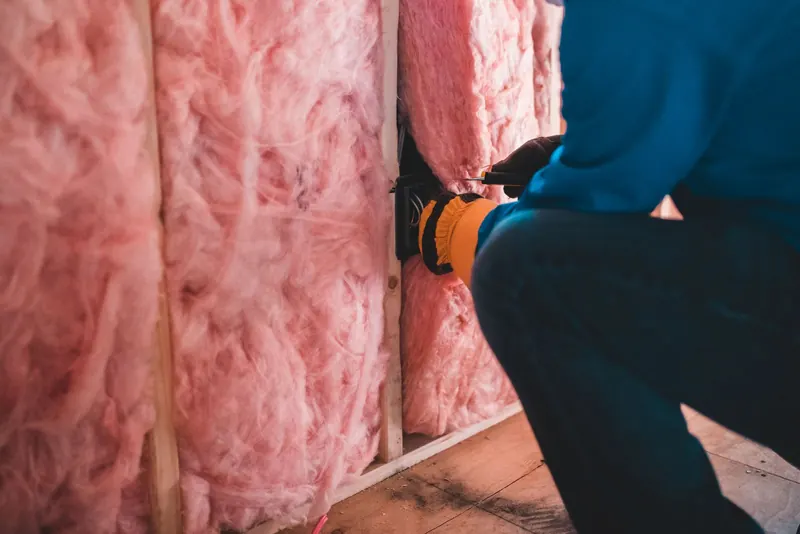
Wet or moldy insulation is taken out of attics, crawl spaces and walls during mold removal, then replaced once cleaning is complete.
See insulation mold removal
Wood framing mold removal clears growth from studs, rafters and joists, allowing the structure to dry out before sealing.
See wood framing mold removal (joists, studs, rafters)
Ceiling mold removal cleans or replaces mold-covered ceiling drywall and finds the roof leak, pipe leak or humidity problem above it.
See ceiling mold removal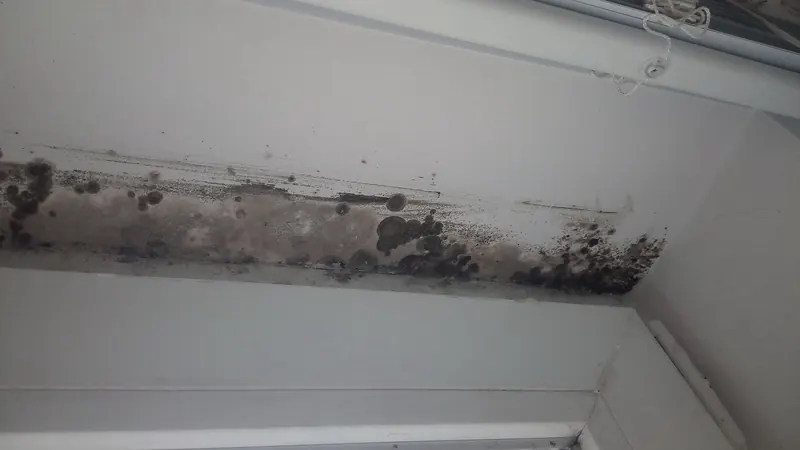
This option clears mold linked to condensation and high humidity on ceilings, wall surfaces and windows and identifies ways to lower moisture.
See humidity and condensation mold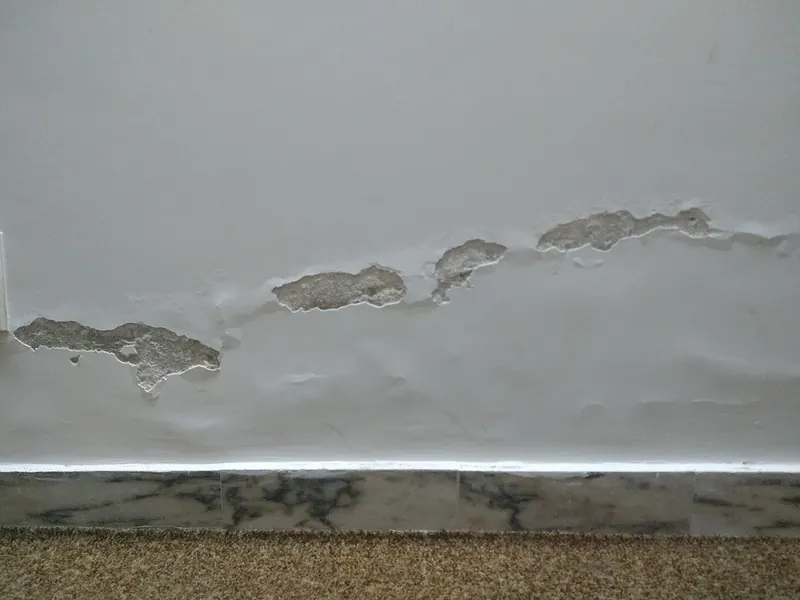
When you cannot see growth within walls, under flooring or beyond a ceiling, hidden mold remediation finds and removes it.
See hidden mold remediation (behind walls)
Workers first use a mold inspection to find the affected areas and then remove and clean the growth.
See mold inspection and removal
After removal, mold clearance testing combines air sampling with visual examination to confirm cleanliness in the affected area.
See mold clearance testingFor affected materials, attic mold remediation covers drying and cleaning, plus controlled inspection, containment, removal. Roof sheathing, stored contents, rafters and insulation may all be covered. A full plan fixes condensation and the roof leak, plus any ventilation defect or ceiling air leakage that kept moisture present.
Organic material and dust near insulation can support mold growth if moisture remains. Wet insulation may conceal growth on adjacent ceiling material or wood. The assessment should identify where water came from, then determine whether affected insulation can be dried or requires removal and replacement.
Fixr lists attic mold removal at $1,500 to $9,000 for a project. With data credited to Angi, This Old House lists $1,000 to $4,000, as its range. Factors behind your cost include insulation, containment, square footage, moisture repairs, access and roof sheathing. A property quote is different from a published range.
No. Color is not a measure of possible mold risk under CDC guidance. Dark stains can also have several causes. Determine the affected area size and moisture entry point, then identify involved materials and whether they can be cleaned and dried.
Common causes include a roof leak, condensation on cold roof decking, indoor air leaking through ceiling gaps, blocked soffit vents and a bathroom fan ending in the attic. Cleanup needs to cover both visible growth and any problem with leaks, humidity or airflow.
The schedule varies with access, square footage, repair needs, insulation volume and moisture in the wood. Widespread growth beneath insulation or damaged roof decking is different from a small patch with easy access. The sequence should cover cleaning, containment, moisture correction, drying and final verification.
For calm and useful guidance about attic mold removal, you can reach someone by phone 24 hours a day.