
Mold Remediation
Containing mold growth comes first in mold remediation, followed by removal, cleaning and correction of the moisture problem that allowed it.
See mold remediationGet a plan for mold in Altadena, including containment, drying and moisture correction.
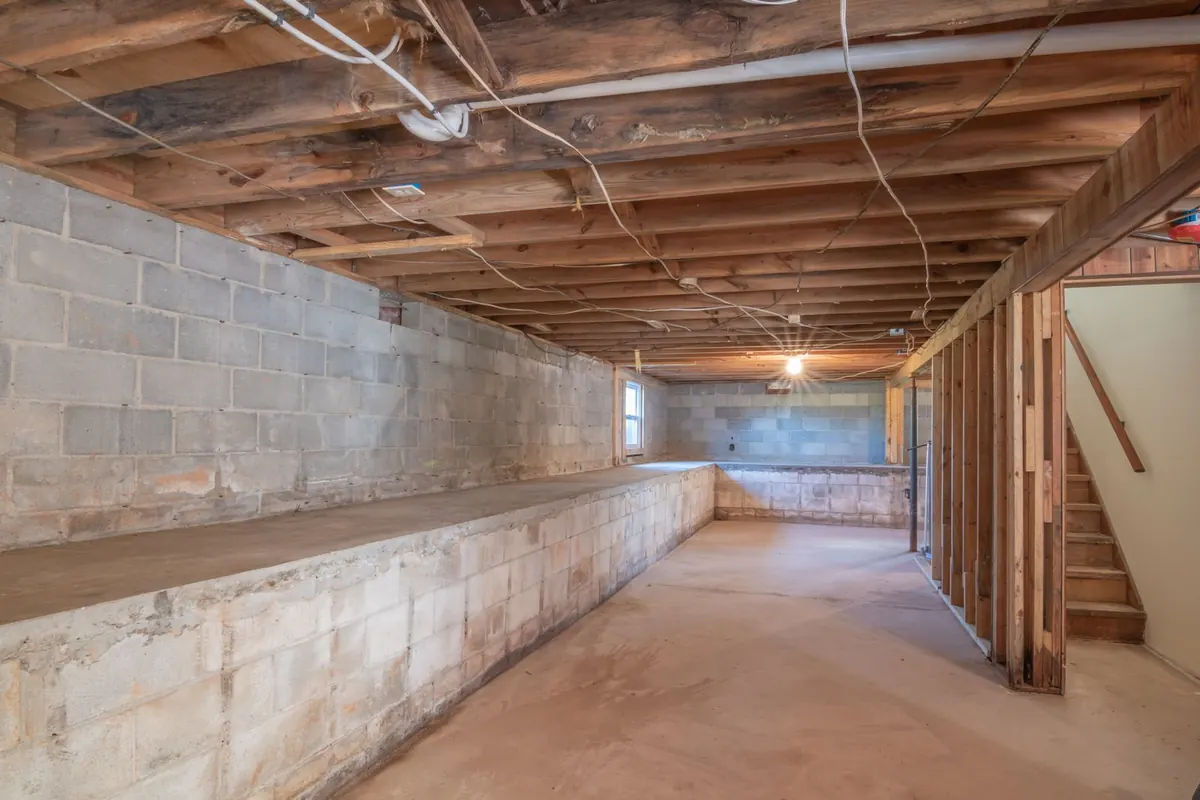
Growth is removed from the affected area, which is dried as its moisture source is corrected during basement mold remediation.
Water can come from seepage, pipes or condensation. Check the foundation wall and any finishes on the lower level.
Make sure the written scope addresses leak repair and possible waterproofing, plus the containment and drying work.

Confirm how the poly sheeting separates the work area from stairs, possessions and HVAC equipment.
Use an independent assessor for post-remediation verification.
Before repairs, find out how moisture will be located and corrected.
The scope needs to specify repairs, materials, drying goals and the limits of removal.
Use controlled cleanup when mold is widespread or moisture has soaked porous material.
Drywall, framing and basement carpet can become soaked by floodwater. Dry wet areas and items within 24 to 48 hours to prevent mold growth. Get professional help with contaminated water.
Water stains, peeling paint and musty odors may signal wet drywall. Moisture readings help focus inspections.
You cannot tell risk from color. Fix moisture, then clean or remove affected materials.
A foundation wall can retain dampness along with concrete and cinder block. Correct water before cleaning.
Leave mold growth alone and limit incoming water.
Call (844) 352-3560Fixr reports a per-job range of $1,500 to $4,000 for removing basement mold. See the cards for other published ranges and connected waterproofing costs. The guides do not serve as a quote.
These ranges come from published national cost guides, not from a site visit. Before work begins, you should get an explanation of the property price determined through an on-site assessment.
Ask about cost: (844) 352-3560Coverage under homeowners insurance may apply when a sudden water event is covered. Policies commonly exclude ongoing seepage and humidity.
Check which records are required and ask about mold sublimits and the water cause.
Under California's housing law, visible mold found by a health officer or code enforcement officer can make a rental substandard. Renters can contact their local health or code enforcement department to ask for an inspection. Save dated photographs and messages about repairs.
California's Toxic Mold Protection Act includes a landlord written-disclosure section (Health and Safety Code 26147). By its own wording it applies only after the state adopts mold exposure standards, and the state health department has said it could not set them. Keep the scope, photos, invoices and repair records.
Your policy might address a burst pipe differently than ongoing seepage. Check your policy.
The right process is based on materials, total area and moisture that may be hidden.
Moisture readings are used to check a damp basement.
Use poly sheeting and negative air pressure to separate the work zone.
Protective equipment and an air filtration device support removal.
Drywall removal may include insulation and carpet.
Clean mold on surfaces. An antimicrobial treatment is not a substitute for cleaning.
Air movers or a dehumidifier aid drying. Address drainage along with ventilation before reconstruction.
Repair after remediation should be guided by moisture readings. Use an independent assessor to perform clearance testing.

Phone at any hour. A basement mold removal specialist answers, talks through what you are seeing and explains the next steps.
Use additional controls when growth is hidden, an area is large, water is contaminated or HVAC is involved.
Limit access for people at higher risk.
Use a containment barrier with negative air pressure to control particles.
Contaminated water requires protective equipment and careful material decisions.
Can you clean it yourself? According to EPA, areas under about 10 square feet can often be cleaned once the water problem is fixed. Larger areas, HVAC systems and contaminated water need professional help.
The timeline varies with area size, drying, removed material and moisture repairs. An inspection is needed before setting a firm schedule.
A musty smell may indicate damp material that is hidden. Inspect carpet edges, finished cavities and walls for dampness.
Indoor relative humidity should stay under 60 percent, with 30 to 50 percent as the ideal range. Dehumidifiers can help, but you still need to correct seepage and leaks.

California has no state license or certification for mold assessors or remediators, according to the California Department of Public Health. General construction work above a small dollar amount does need a license from the Contractors State License Board (CSLB), so it is worth checking a contractor's license there and asking about their mold training. Ask whether demolition, plumbing, drainage or rebuilding requires permits.
Within 24 to 48 hours, dry water-damaged areas and items to prevent mold growth after correcting moisture.
The federal government has not set a limit for indoor mold levels. Testing needs a specific purpose.
The California Department of Public Health (CDPH) Air Quality Section publishes mold and dampness guidance and a mold FAQ. CDPH says visible mold, dampness, and mold odor are unhealthy and should be fixed, and that routine mold testing is not needed when mold is visible. Ask about rules for the property type and work scope.
The full basement mold removal guide covers what is cleaned or removed, odor and air quality work, and the rules that apply in California.
Read the full basement mold removal guide
Planning for moisture control, containment and mold cleanup can be influenced by local humidity, housing and property access.
At 23 percent renter occupancy, many households can trace a leak through the whole property and arrange removal after the moisture source is corrected.
A 1946 median build year means many structures may contain older insulation or concealed cavities where moisture can collect and mold can remain out of view.
Where 93 percent of housing is single-family, checking roof flashing, gutters, crawl spaces, and basement walls can help locate the source before mold removal.
Where 20 percent of seniors live alone, documenting visible mold and damp materials can help another contact understand what access and repair work is needed.
Ask on the phone about mold cleanup for nearby ZIP codes and communities.
Containing mold growth comes first in mold remediation, followed by removal, cleaning and correction of the moisture problem that allowed it.
See mold remediation
Mold cleanup means removing mold from surfaces and materials, bagging damaged items and cleaning the area so it is ready for repairs.
See mold cleanup
Black mold removal deals with dark mold growth on drywall and wood by containing the area and removing what is affected.
See black mold removal
When you cannot see growth within walls, under flooring or beyond a ceiling, hidden mold remediation finds and removes it.
See hidden mold remediation (behind walls)
Damaged wallboard is cut away during drywall mold removal, the interior framing is cleaned and new material replaces what was removed.
See wall and drywall mold removal
Water damage mold cleanup removes mold that grows after a leak or flood and dries the structure so it does not return.
See water damage mold cleanup
When storm damage, heavy rain or flooding leads to mold, cleanup covers affected surfaces and materials, including wet drywall and floors.
See flood and storm mold cleanup
With mold damage restoration, mold is removed first, then affected drywall, floors, insulation and other materials are fixed or replaced.
See mold damage restorationThe affected area, removal needs, structural wetness and timing for fixing leaks or seepage all determine the project schedule. Request a sequence that starts with containment removal steps and continues through cleaning, drying, post-remediation verification and repair work. Any timing stated before inspection remains preliminary.
Look for musty odors, water stains, peeling paint, soft trim, damp carpet and recurring discoloration. Moisture meters help detect wet materials. Thermal imaging can show temperature patterns worth investigating, although it cannot identify mold. Only open walls when you have a specific reason and a plan for containment.
During rebuilding, mold-resistant drywall is an option, although it cannot correct excess humidity, seepage or leaking water. Before replacement, make sure wall cavities and framing have been cleaned and fully dried. Ask the repair contractor which material fits the location and local requirements, then keep the lower level dry after work is complete.
Begin by correcting the moisture source. Larger projects commonly involve porous materials removal, surface cleaning, drying, HEPA filtration, negative air pressure and containment. Wet drywall, insulation, pad and carpet may require removal, while sound framing and concrete may be cleaned. The plan should fit the affected materials and water conditions.
Nationally published guides show different ranges. For basement mold removal, Fixr lists $1,500 to $4,000 per job. This Old House lists $500 to $3,000 per job, with data credited to Angi. Your cost depends on square footage, access, flooding, finishes, containment and moisture repairs, so a published range is not a local quote.
Water produces the moisture conditions that mold requires. Sources can include flooding, seepage, plumbing leaks, condensation and high relative humidity. According to EPA guidance, prevent mold growth by drying water-damaged areas and items within 24 to 48 hours. Fix the water source rather than cleaning just the visible area.
For calm and useful guidance about basement mold removal, you can reach someone by phone 24 hours a day.