
Mold Remediation
Containing mold growth comes first in mold remediation, followed by removal, cleaning and correction of the moisture problem that allowed it.
See mold remediationGet a clear plan for visible growth, musty odors or damp materials in Altadena. The scope should explain containment, removal, cleaning, drying and moisture correction.
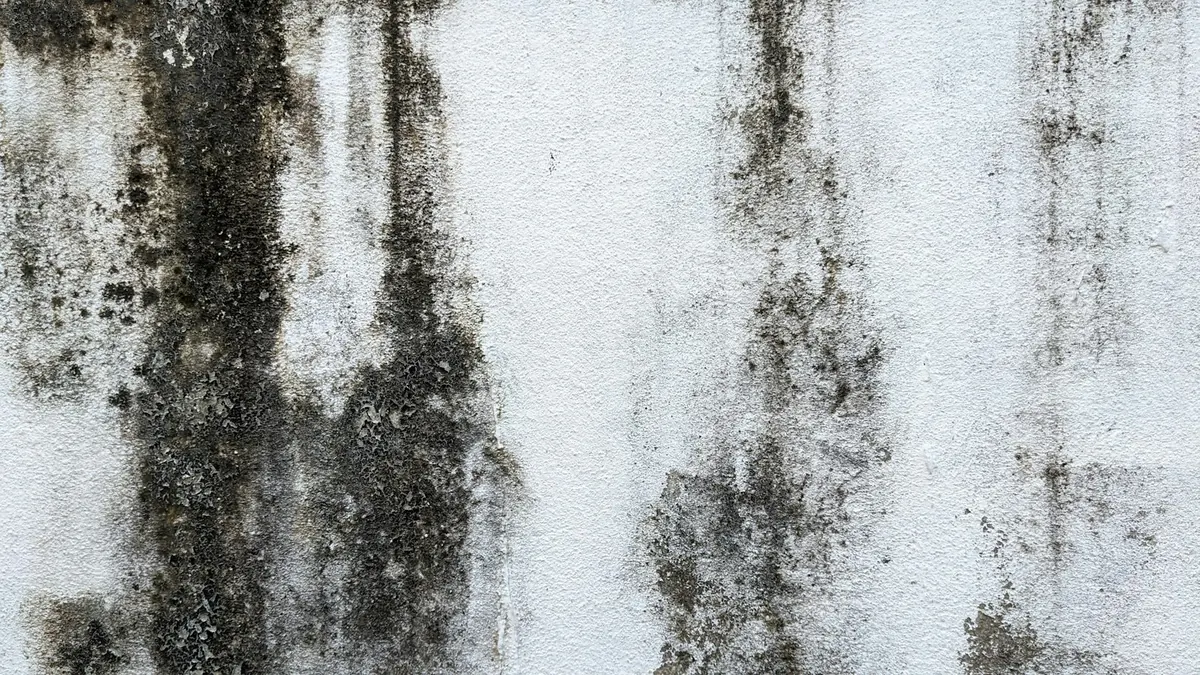
Mold abatement means isolating an affected area so contamination can be removed and remaining surfaces cleaned with limited particle spread.
An abatement plan is built from inspection and moisture readings. The work includes isolating the area, taking out contaminated materials, cleaning surfaces and drying them. Correction of the moisture source is required.
In most cases, mold remediation and abatement name the same objective. The word abatement emphasizes contained removal. The word remediation can cover every part of mold removal. Evaluate the actual work scope, rather than the term used.
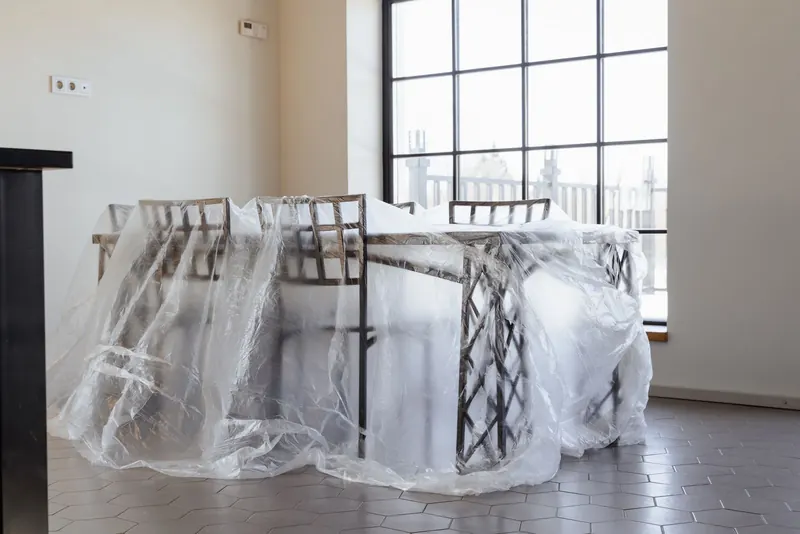
The company that performed removal should not be your independent assessor for post-abatement testing.
Ask how poly sheeting and negative air pressure protect people outside the regulated work area.
Ask how the source will be found, corrected and checked. If water remains, growth can return.
Examine how hidden growth, removal limits, cleaning, drying and repair responsibilities are addressed.
Professional help fits situations involving hidden or extensive growth, contaminated water, porous materials or an HVAC system.
To prevent mold growth, dry water-damaged items and areas in the 24 to 48 hours set by EPA guidance. This target applies to drying.
Particles could spread if affected HVAC equipment runs, so do not operate it. EPA guidance calls for experienced help with sewage or contaminated water.
Recurring stains or musty odors may justify a careful opening. Dust containment and removal limits belong in a remediation protocol.
Black mold and toxic mold function as search terms rather than evidence of danger. Risk is not shown by color.
Before inspection, control water only when safe, do not disturb growth, and keep records of what happened.
Call (844) 352-3560None of the sources publishes abatement as a separate price. The nearest cost comparison is mold remediation. Fixr puts professional work over about 10 square feet at $1,500 to $9,000 total, with a cost per square foot of $10 to $30 each. Using data credited to Angi, This Old House lists $1,200 to $3,750 total. These are not a quote.
No site visit was used for these ranges, which are drawn from published national cost guides. Before work begins, you should get an explanation of the property price determined through an on-site assessment.
Ask about cost: (844) 352-3560Cleanup may be covered by insurance when it follows a sudden event that the policy covers. Common exclusions include neglected maintenance, ongoing leaks and recurring humidity.
California's Toxic Mold Protection Act includes a landlord written-disclosure section (Health and Safety Code 26147). By its own wording it applies only after the state adopts mold exposure standards, and the state health department has said it could not set them. Retain the clearance document, scope, photos and moisture readings.
Report the event promptly. Ask about required records, the cause and any mold sublimit.
Coverage terms can differ for a burst pipe compared with condensation, seepage or a leak lasting a long time.
Under California's housing law, visible mold found by a health officer or code enforcement officer can make a rental substandard. Renters can contact their local health or code enforcement department to ask for an inspection. Payment may depend on the cause, lease and policy.
Mold remediation steps should match the square feet, materials, moisture source and occupancy.
Thermal imaging and a moisture meter help locate hidden dampness, water damage and visible mold growth.
The work zone is outlined with poly sheeting. Air scrubbers, protective equipment and negative air pressure limit particles.
Moldy carpet, insulation, drywall or ceiling tile might have to be removed. Keep waste wrapped within containment.
Sound wood and non-porous surfaces can sometimes be cleaned by HEPA vacuuming or damp wiping. Cleaning cannot be replaced by antimicrobial treatment.
A dehumidifier and air movers support drying. Before reconstruction, check the moisture readings.
Post-remediation verification may include visual assessment, moisture checks and air sampling. Your assessor should be independent.

Call any hour. Talk with a mold abatement specialist about what you are seeing and the steps ahead.
Greater risk comes from growth that is broad or hidden and from contaminated water, porous materials or HVAC equipment.
Use moisture readings to guide drying before reconstruction encloses subfloor, framing or wet insulation.
Mold can trigger allergy and asthma symptoms in some people. Certain health conditions increase risk.
Sewage or contaminated water requires experienced help, protective equipment and suitable waste disposal.
Can you clean it yourself? According to EPA guidance, a homeowner or renter can often clean an area smaller than about 10 square feet. Seek experienced help when the area is larger or contaminated water or HVAC involvement is present.
Area size, materials, drying and moisture repair determine timing. Hidden damage can shift the timeline.
A musty odor can point to damp material or hidden growth. Odor treatment cannot substitute for correcting the moisture source.
Keep relative humidity under 60 percent and ideally between 30 to 50 percent for indoor air quality. Leak repair cannot be replaced by a dehumidifier.

California has no state license or certification for mold assessors or remediators, according to the California Department of Public Health. General construction work above a small dollar amount does need a license from the Contractors State License Board (CSLB), so it is worth checking a contractor's license there and asking about their mold training. Check with the building office about permits for demolition or reconstruction.
To prevent mold growth, dry water-damaged items and areas in the 24 to 48 hours set by EPA guidelines.
There is no federal indoor mold limit. Use the sampling purpose, moisture and conditions to determine testing.
The California Department of Public Health (CDPH) Air Quality Section publishes mold and dampness guidance and a mold FAQ. CDPH says visible mold, dampness, and mold odor are unhealthy and should be fixed, and that routine mold testing is not needed when mold is visible. Find out which containment, waste disposal and demolition rules apply.
The full mold abatement guide covers what is cleaned or removed, odor and air quality work, and the rules that apply in California and Los Angeles County.
Read the full mold abatement guide
Local housing, humidity and property access can shape moisture control, containment and mold cleanup planning.
At 23 percent renter occupancy, many households can trace a leak through the whole property and arrange removal after the moisture source is corrected.
A 1946 median build year means many structures may contain older insulation or concealed cavities where moisture can collect and mold can remain out of view.
Where 93 percent of housing is single-family, checking roof flashing, gutters, crawl spaces, and basement walls can help locate the source before mold removal.
Where 20 percent of seniors live alone, documenting visible mold and damp materials can help another contact understand what access and repair work is needed.
Ask on the phone about mold cleanup for nearby ZIP codes and communities.
Containing mold growth comes first in mold remediation, followed by removal, cleaning and correction of the moisture problem that allowed it.
See mold remediation
Mold cleanup means removing mold from surfaces and materials, bagging damaged items and cleaning the area so it is ready for repairs.
See mold cleanup
Residential mold removal addresses growth in condos and houses, whether one room or multiple spaces need attention from a local crew.
See residential mold removal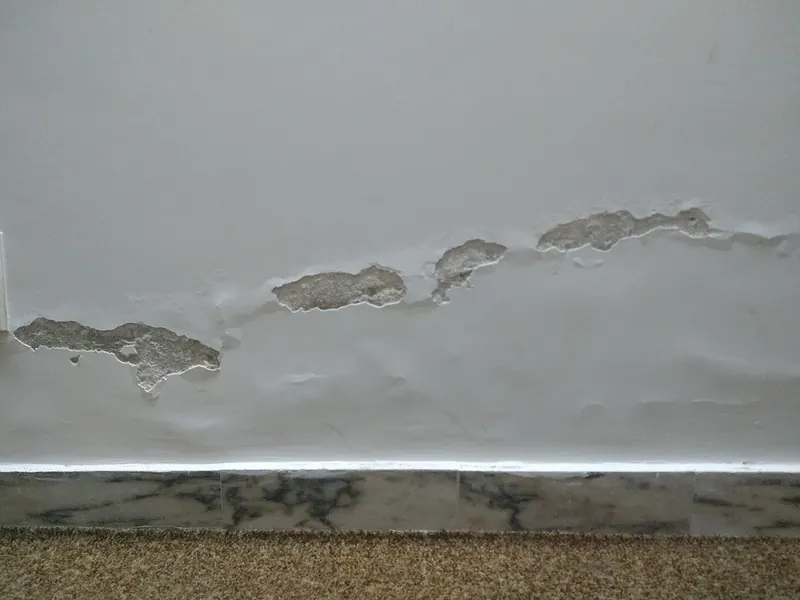
When you cannot see growth within walls, under flooring or beyond a ceiling, hidden mold remediation finds and removes it.
See hidden mold remediation (behind walls)
With mold damage restoration, mold is removed first, then affected drywall, floors, insulation and other materials are fixed or replaced.
See mold damage restoration
Workers first use a mold inspection to find the affected areas and then remove and clean the growth.
See mold inspection and removal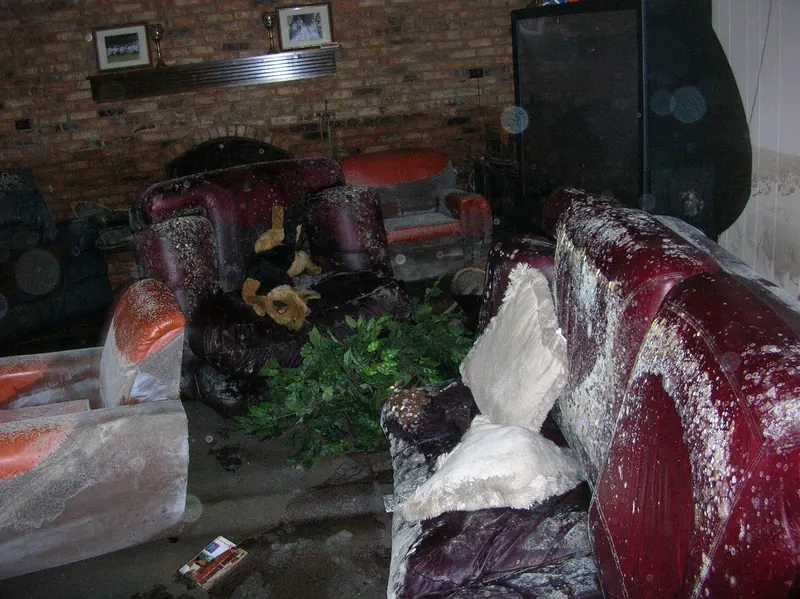
Water damage mold cleanup removes mold that grows after a leak or flood and dries the structure so it does not return.
See water damage mold cleanup
After removal, mold clearance testing combines air sampling with visual examination to confirm cleanliness in the affected area.
See mold clearance testingMoisture is necessary for mold growth. Possible sources are flooding, high humidity, condensation, wet crawl spaces and leaks from plumbing or roofs. Growth is just one part of the issue. Correct the leak, drainage or ventilation issue, then clean, dry or remove wet materials.
A typical sequence is moisture mapping, inspection, HEPA air filtration, containment, surface cleaning, porous material removal, drying and final cleaning. A clearance check might come afterward. Exact steps at your property reflect HVAC involvement, access, materials, size and the moisture source.
The moisture source and policy control whether coverage applies. A sudden event covered by the policy may qualify the resulting mold. Repeated humidity, neglect of maintenance and long-term leaks are often excluded. Ask about necessary records, approval, the cause and any mold sublimit prior to moving damaged material or belongings.
Check for persistent musty odors, visible spots, stains that return and material that feels damp or soft. Inspect around windows, plumbing, roofs and HVAC equipment, plus any crawl space, basement or other lower level. A moisture meter can aid an inspection, but its reading does not establish mold.
Controlled mold cleanup restricts particle spread, removes unsalvageable material, cleans surfaces and aids drying. A full scope identifies the moisture source and its repair. Containment and HEPA methods separate planned work from wiping or painting over growth.
The nearest available comparison is mold remediation because a direct abatement price is not given by a source. Fixr puts costs at $1,500 to $9,000. Your amount depends on area, access, removal, containment, filtration, drying, testing and repairs. An inspection and scope are needed for your property.
For calm and useful guidance about mold abatement, you can reach someone by phone 24 hours a day.